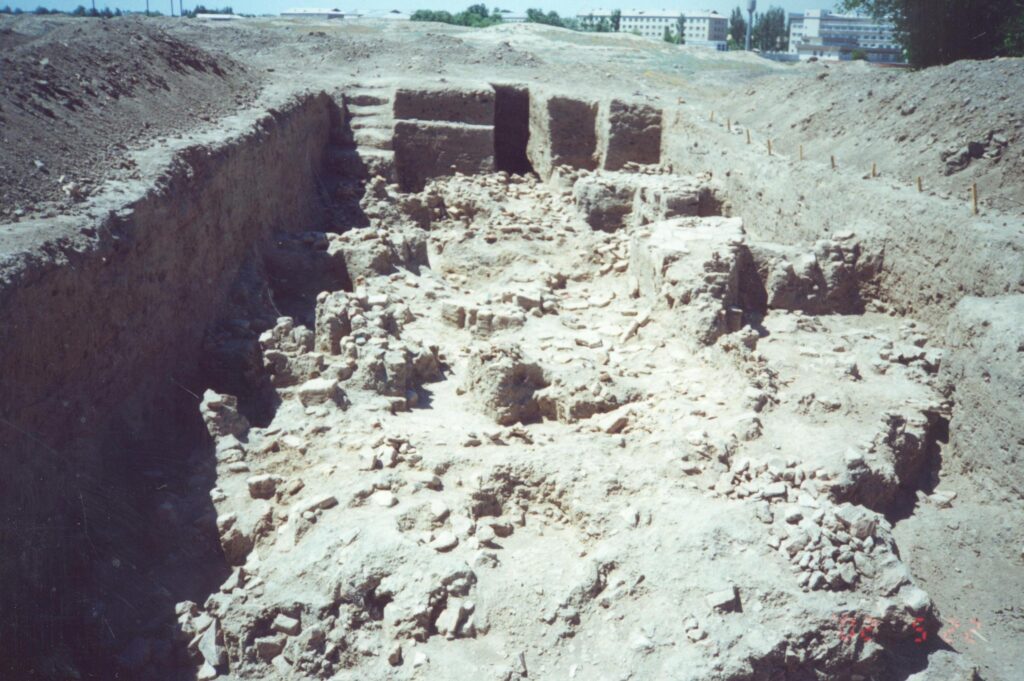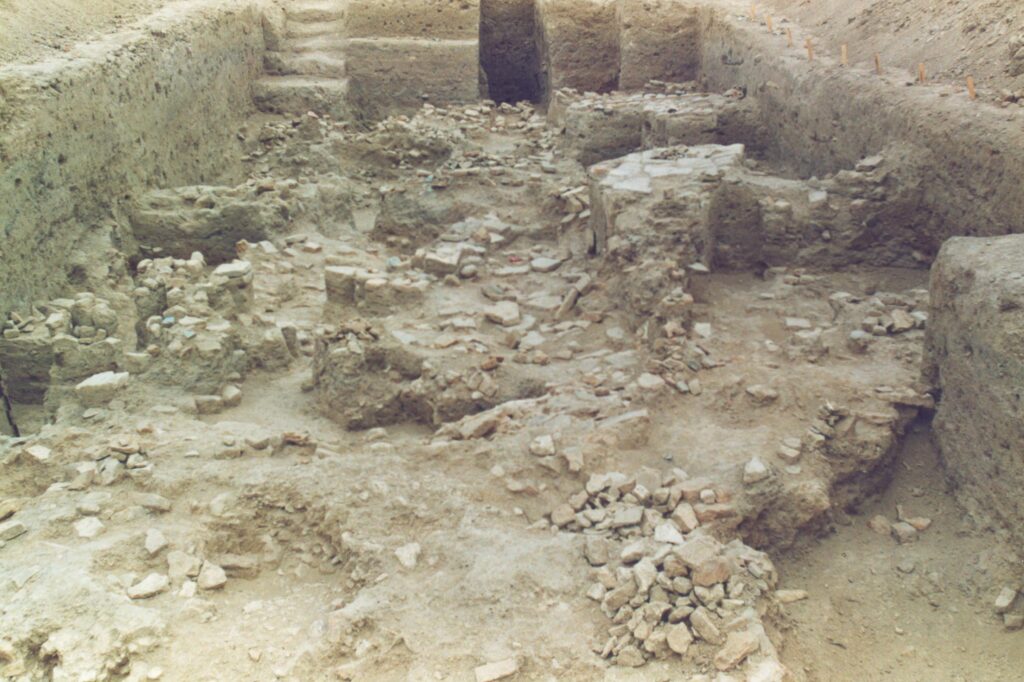
Archaeologist Taisiya Nikolaevna Senigova in her work «Cultural structures near the mausoleum of Khoja Ahmed Yasawi» notes the existence of a second previously unknown khalvat (Kyluet) near the Yasawi mausoleum in Turkestan. T.N.Senigova learned about this structure in the early 1970s from the native inhabitants of the city and from the works of G.I.Patsevich, who conducted archaeological excavations in Turkestan in the 1960s.
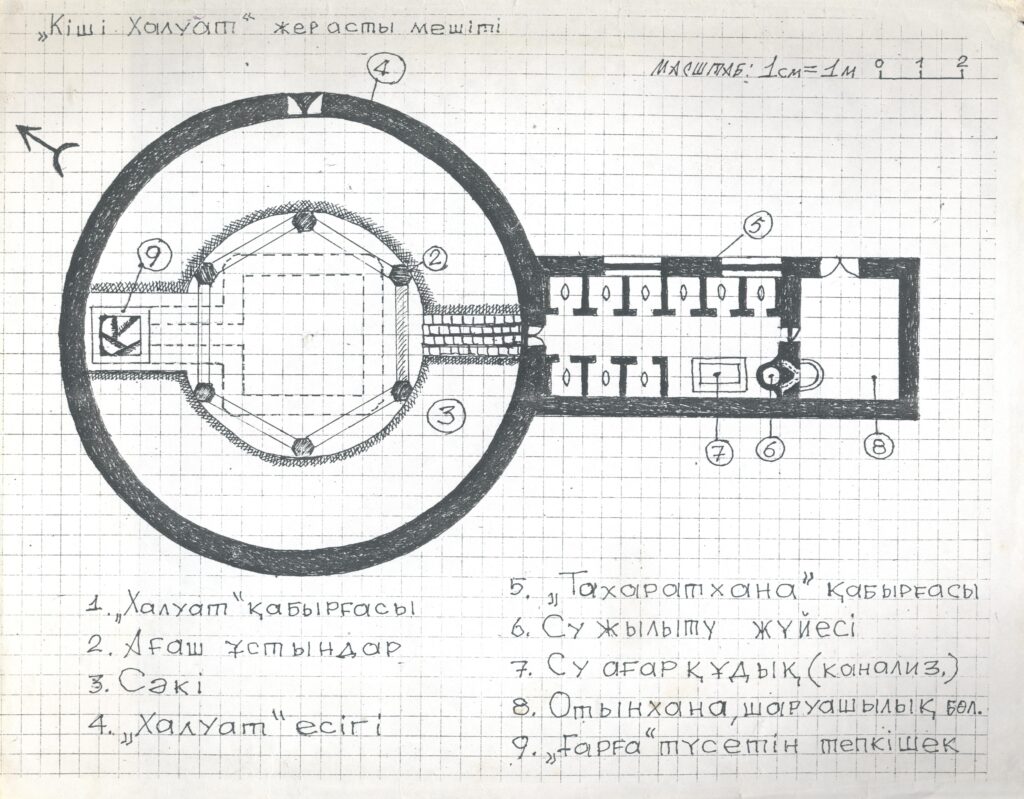
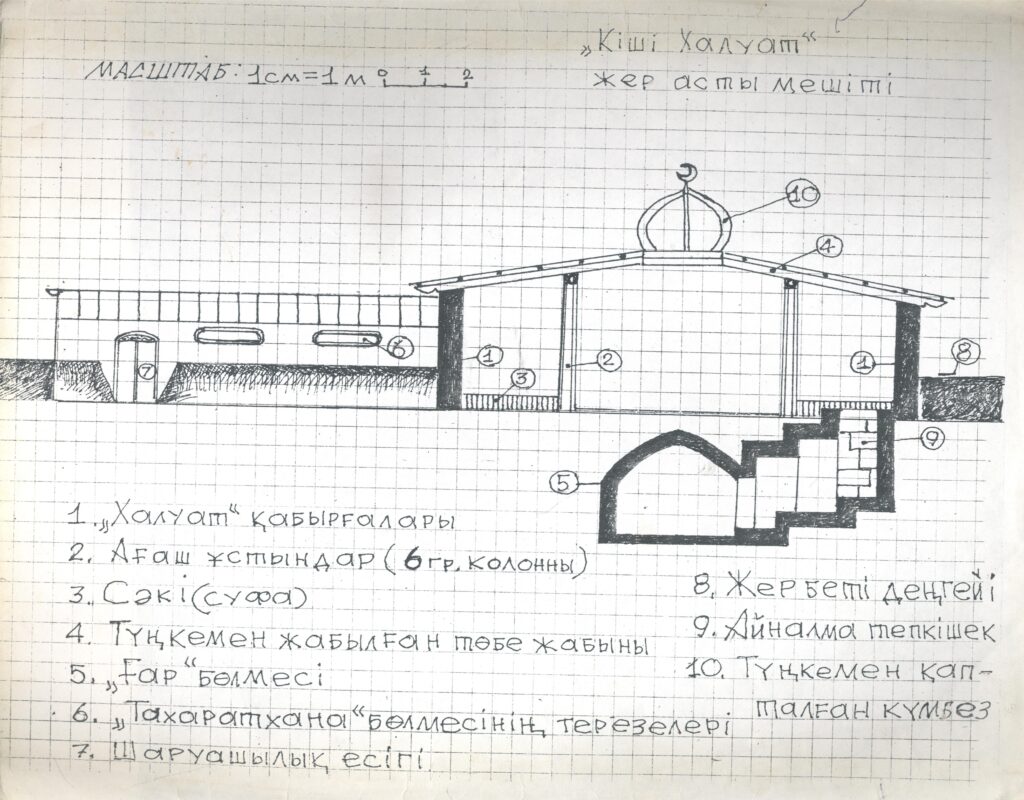
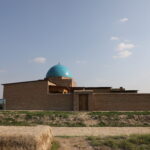
T.N. Senigova states the following in her work: “Maly Kyluet is located 50-60 meters from the Khoja Ahmed Yasawi Mausoleum. In plan, it was a rectangular structure made of baked clay, 12 m in diameter, in the form of a circle. Traces of numerous repairs have been preserved, its thick walls are installed 1 meter below ground level. The conical roof, which has undergone numerous repairs, is covered with an onion dome, decorated at the top with an ornament in the form of a crescent. The lower end of the roof rafters is above the clay wall, and the middle of the roof is installed on hexagonal wooden pillars. The pillars supporting the roof are located in a circle at a distance of 2-2.5 meters from the wall to the center. Along the wall of the room there is a trestle bed, 2.5 m wide, 30-40 cm high. A staircase descends from the base of the northern wall of the building. This staircase leads to the Gar room, located 3 m underground. The Gar room measures 3 x 3 m and the walls are made of baked clay.
T.N. Senigova states the following in her work: «Maly Kyluet is located 50-60 meters from the Khoja Ahmed Yasawi Mausoleum. In plan, it was a rectangular structure made of baked clay, 12 m in diameter, in the form of a circle. Traces of numerous repairs have been preserved, its thick walls are installed 1 meter below ground level. The conical roof, which has undergone numerous repairs, is covered with an onion dome, decorated at the top with an ornament in the form of a crescent. The lower end of the roof rafters is above the clay wall, and the middle of the roof is installed on hexagonal wooden pillars. The pillars supporting the roof are located in a circle at a distance of 2-2.5 meters from the wall to the center. Along the wall of the room there is a trestle bed, 2.5 m wide, 30-40 cm high. of the building. This staircase leads to the Gar room, located 3 m underground. The Gar room measures 3 x 3 m and the walls are made of baked clay.
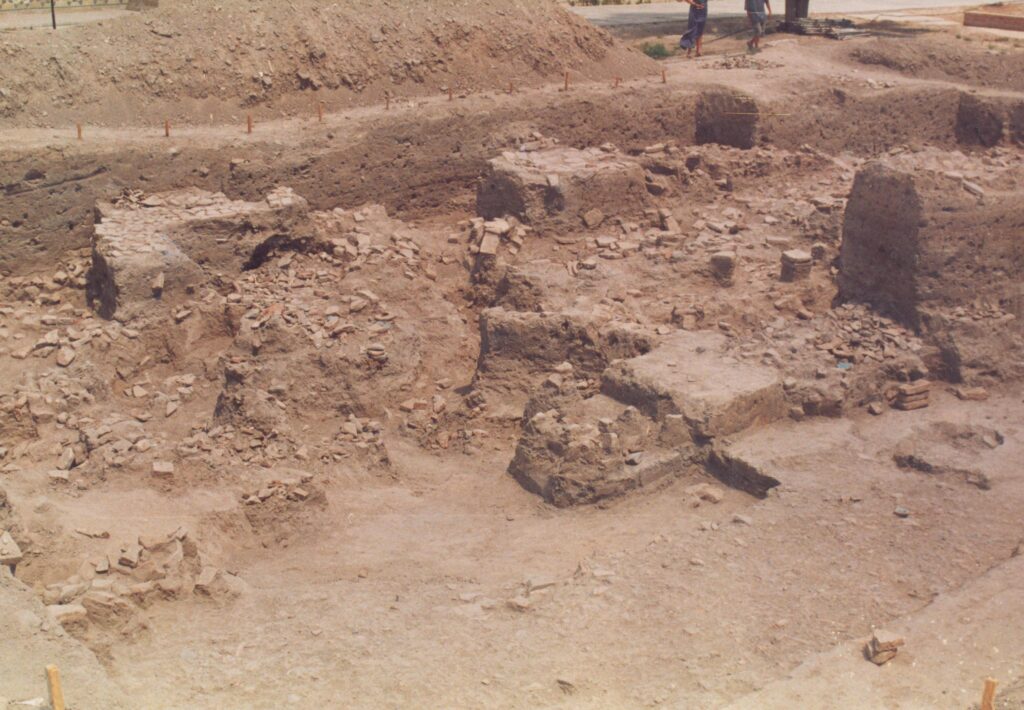
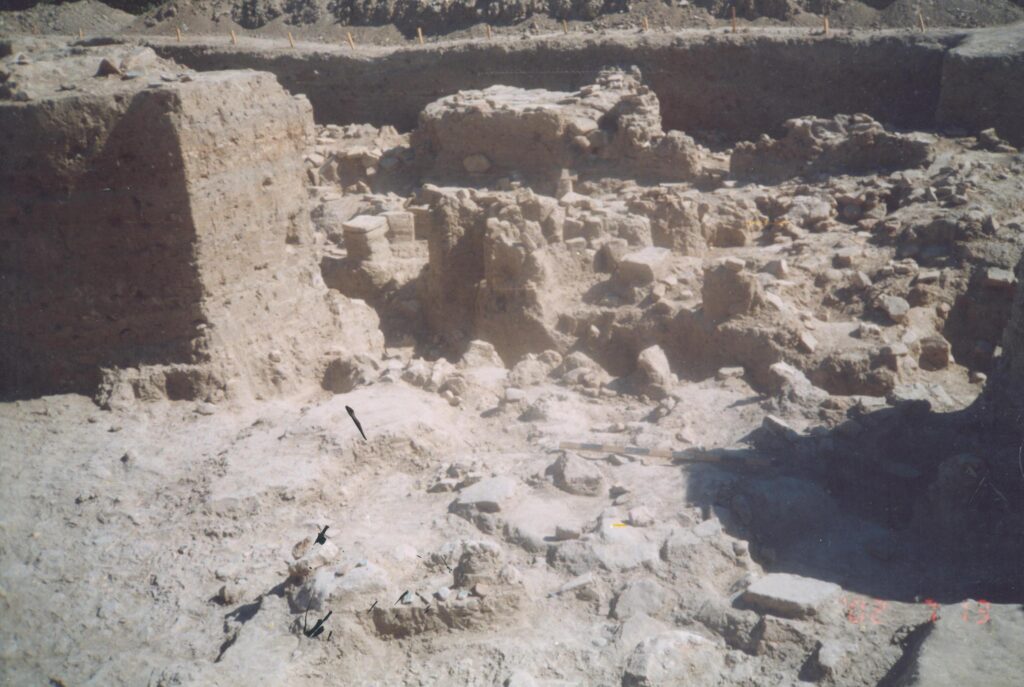
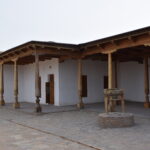
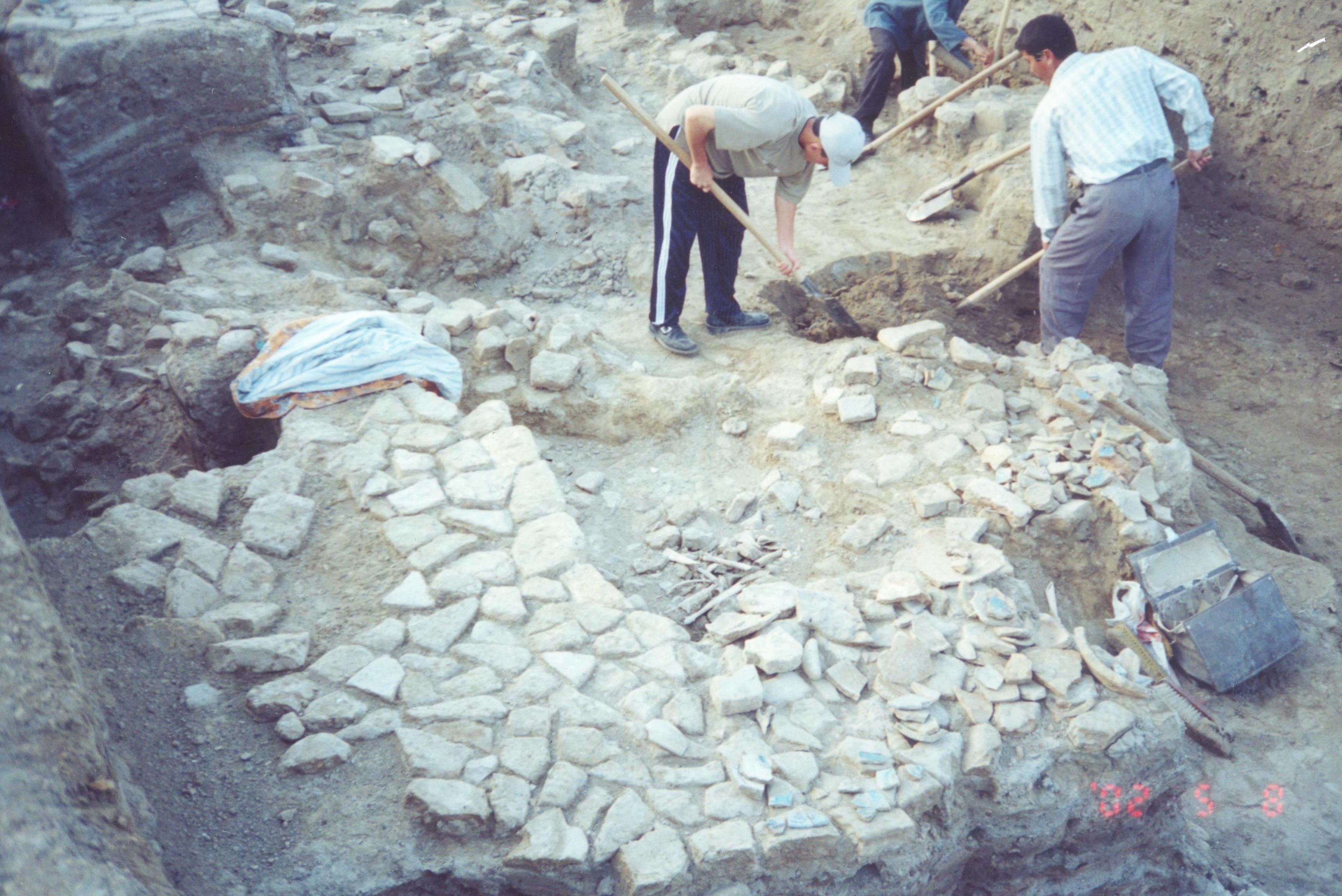
The trestle bed along the wall was covered with carpets and blankets on which pilgrims sat. In the middle of the room sat the murshid, who read the Koran and performed Zikr. Outside, next to the Kyluet, there is a long corridor-like ablution area consisting of several booths. The above-ground part of the «Small Kyluet» structure was demolished in 1943. T.N.Senigova writes in her work that the location of the «Small Kyluet» at a depth of 4 m (Gar room), its dome covering, in accordance with ancient ritual structures, indicate that it could have been built in the 10th-11th centuries. However, as a result of excavations carried out at the Maly Kyluet settlement by the Turkestan archaeological expedition under the leadership of M.K. Tuyakbaev in 1997 and 2001, it was established that the structure functioned in the 18th-19th centuries.
After archaeological excavations and research, the Maly Kyluet archaeological site was re-preserved and buried.
Т.Zholdasov, junior research fellow