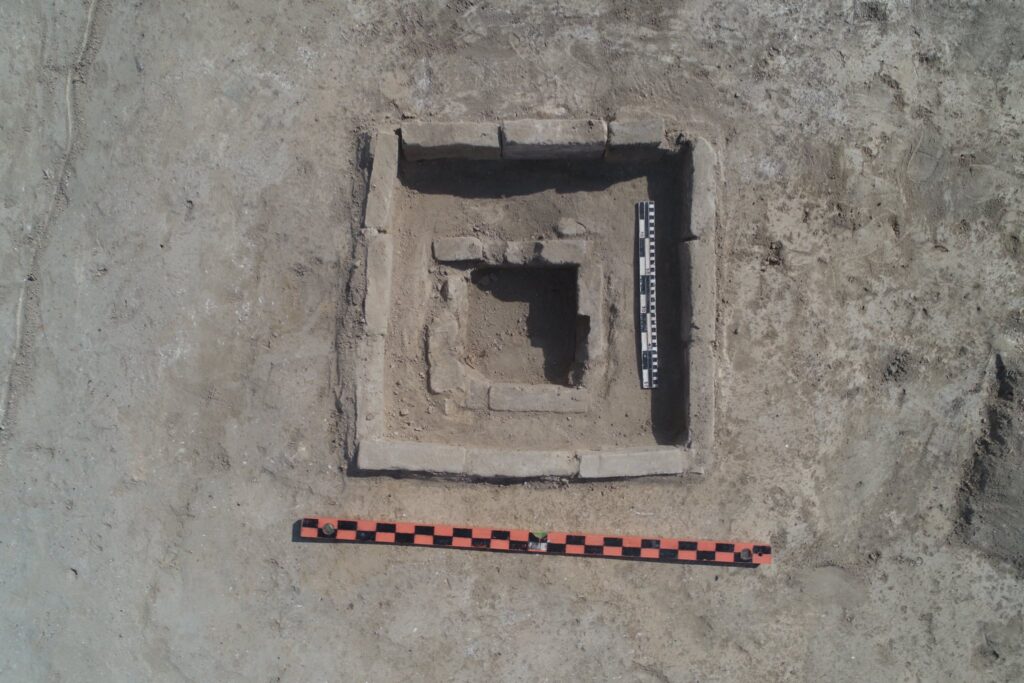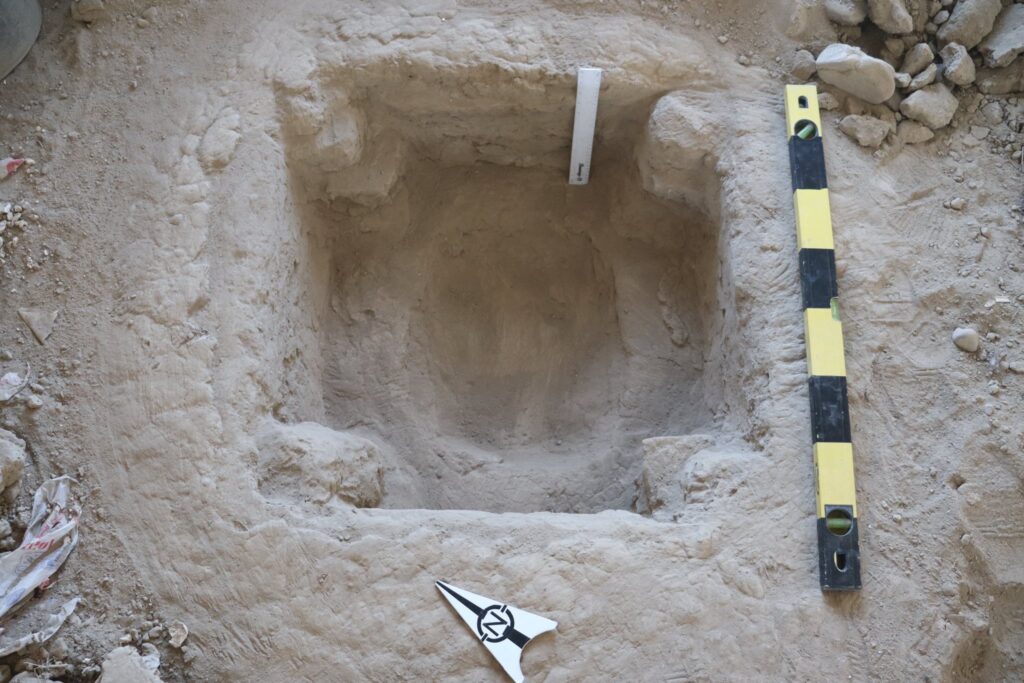
Sandalwood hearths were first discovered in the Turkestan region, in houses dating back to the 12th century in Kuyruktobe, located 5 km southeast of the medieval settlement of Otrar.
Although they were found in houses dating back to the 12th century, it does not mean that they appeared in the 12th century. If you add the period of residence to this, it is clear that you are delving into the depths of history. During archaeological research in the Khan Horde in Old Turkestan, sandalwood hearths were found in every room, on every floor of the building. That is, they were passed down from father to son and continued.
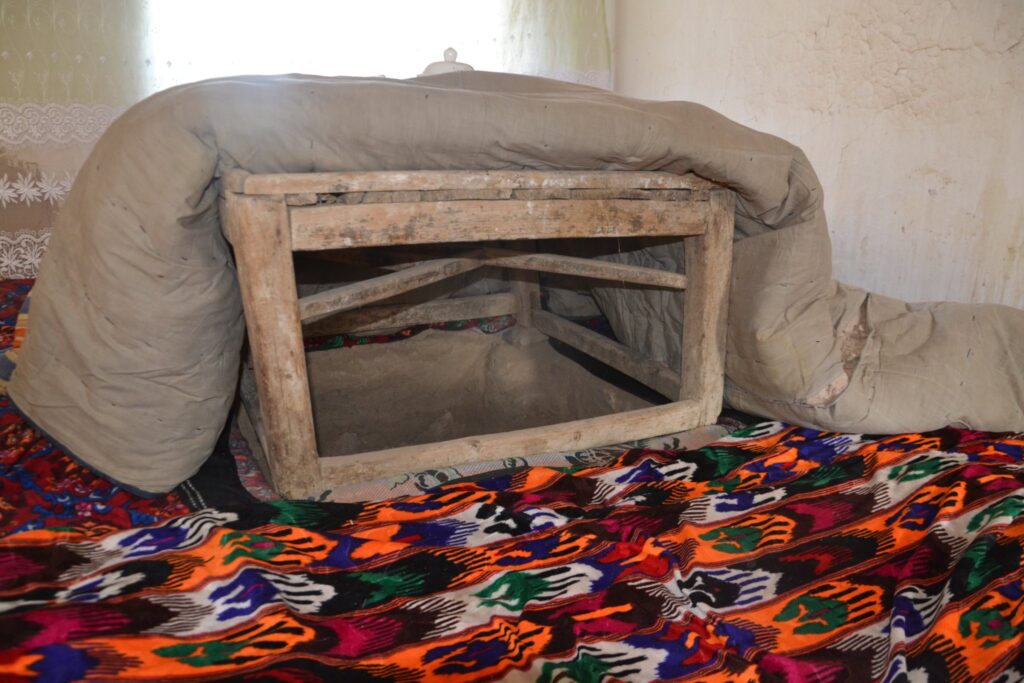
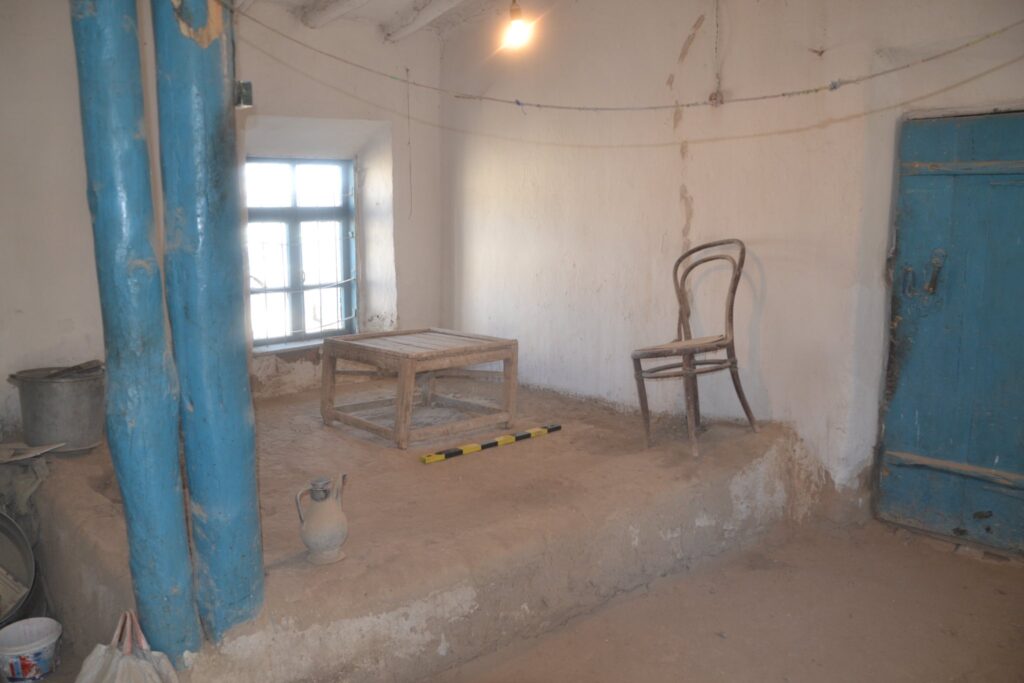
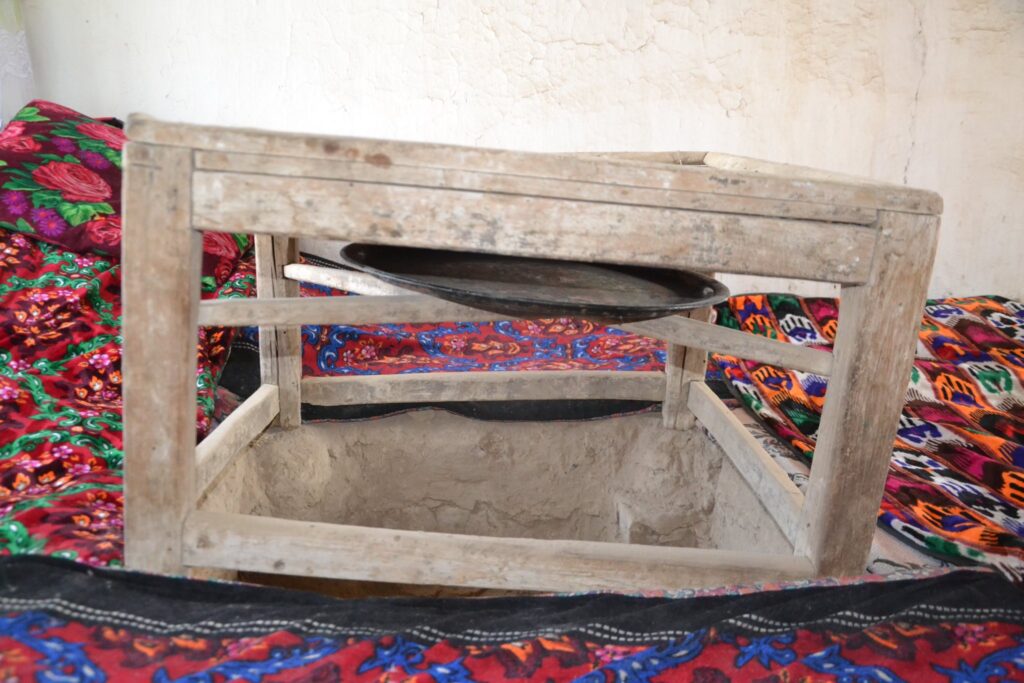
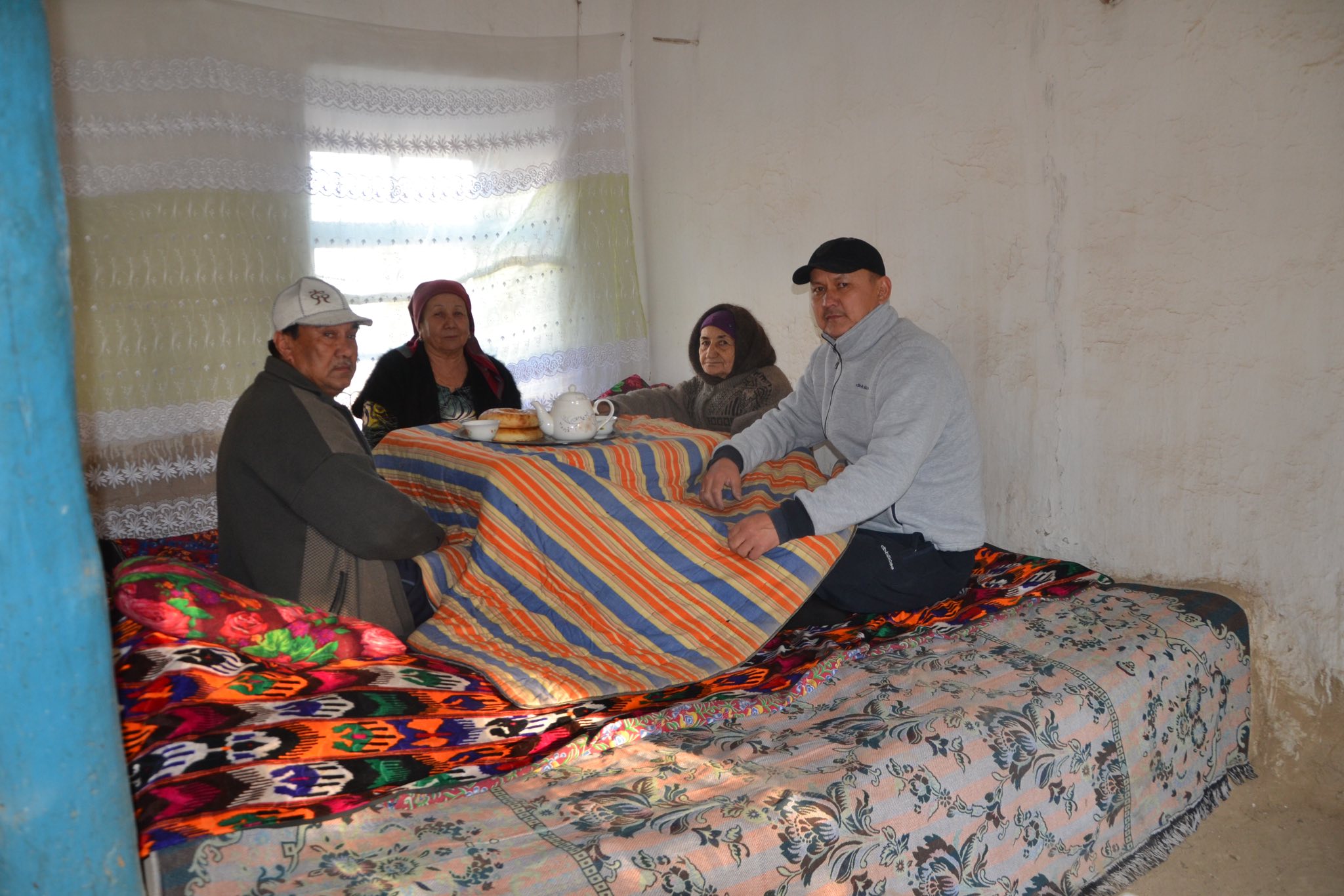
Although many sandalwood fireplaces were found in residential buildings during archaeological research in each region, almost no chair with a sandalwood fireplace was found. This fireplace and table made of sandalwood were found in the house No. 116 on Kazybek bi Street in the old city. According to the owner of the house, Aunt Tursyn, the last time she saw a fire burning on a sandalwood stove was in 1965-66, when she warmed herself with its heat. Aunt Tursyn was 12-13 years old at the time. She sat on the sandalwood stove on cold autumn days, especially when people were sick with a cold or flu. So the sandalwood stove is also very useful for human health.
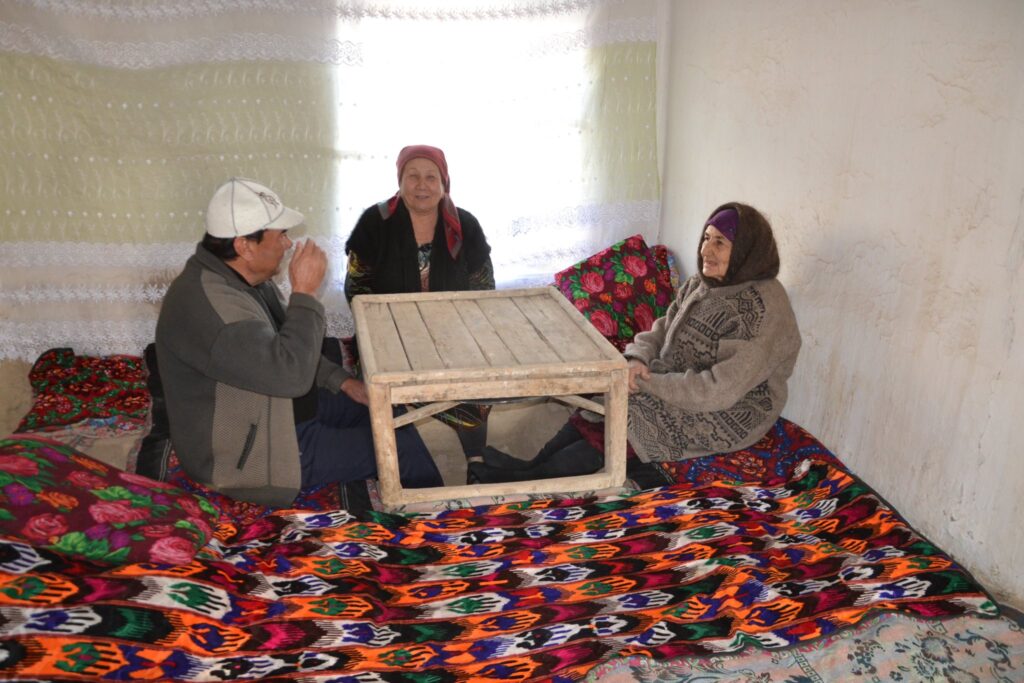
Sandalwood stove sitting procedure. The reason we call it a procedure is because the process of sitting on a sandalwood stove is a kind of hot foot bath or physiotherapy in medical terms. A sandalwood table is placed on the stove with a burning fire and a large blanket is placed on top. People sitting around it put their feet under the blanket and drink hot tea or soup while sitting.
You can also sit with your legs dangling under the sandalwood table, men can sit with their legs crossed, and women can sit with their legs crossed. Of course, more heat goes to the person who dangles their legs. Since the herb adyraspan has antiviral properties, adyraspan was thrown on the stove. Our aunt Tursyn mentioned that her legs do not hurt, although she is seventy years old. Another piece of information worth mentioning is that although the hearth was called a sandalwood hearth, the fire in the hearth was not lit. Only after cooking in the tandoor-hearth in the yard or on the slope were coals brought in.
Another issue worth mentioning is the name. The sandalwood hearth discovered during archaeological research is called the «Sandalwood Hearth». In my opinion, this is incorrect. Sandalwood and the hearth are two different things. These two things can only be called a sandalwood hearth when they are present together or both. And it is more correct to call the sandalwood table, sandalwood hearth or sandalwood pit separately.
M.Amanturov, Department of Protection and Registration of Historical and Cultural Heritage Monuments