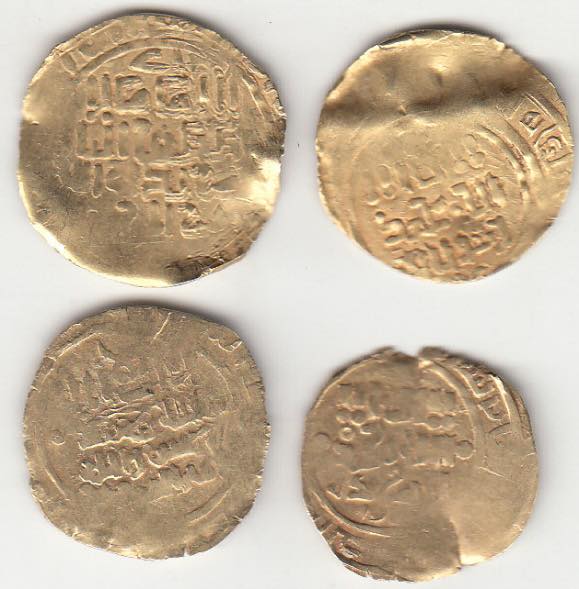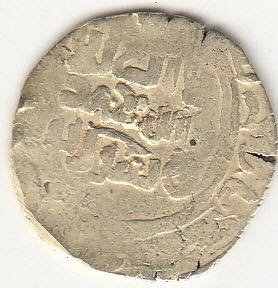
Dirhams also occupy a prominent place in the history of Central Asia. These silver coins, dating back to the IIX century, contributed to the development of economic and cultural ties during the Islamic period.
Dirhams were first created during the Abbasid period based on Sassanian drachmas and decorated with Arabic script. In Central Asia, states such as the Samanids, Karakhanids, and Ghaznaoui have incorporated regional features into their monetary system.
Dirhams contain verses of the Quran, the name of the caliph or ruler, as well as the year and place of coinage. For example, the inscription “There is no god but Allah” is often found in the Samanid Dirhams. They were not only an economic tool, but also money with great ideological value.
Through dirhams, which were widely distributed along the Great Silk Road, communications and information exchange between different cultures and peoples were established. The dirhams found during archaeological excavations are an invaluable source for exploring the political, economic and cultural life of that era.
Dirhams are living witnesses of the history of Central Asia. Through them, you can learn more about the past, trade, cultural and religious life of the region.
A.Baymenova, curator of the foundation.