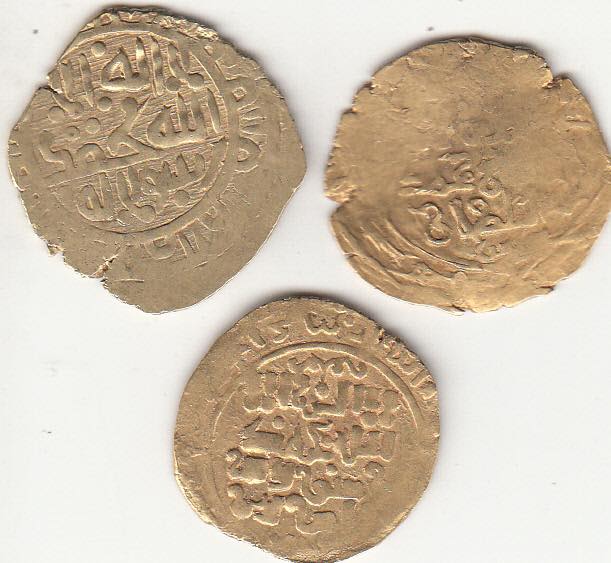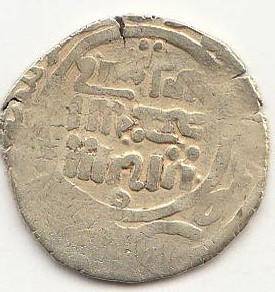
Central Asia is a region where civilizations and empires have been meeting for a long time, and trade is developed. Dinars occupy a special place in the economic history of this region. The dinar is a gold coin used in Islamic states and a valuable relic of political and cultural significance.
The first dinars were minted at the end of the VII century during the Umayyad Caliphate and modeled after the Byzantine solidus. Together with Islam, it reached Central Asia and became widespread under the Abbasids, Samanids, Karakhanids and subsequent states. They have developed trade, interstate relations and strengthened the domestic economy.
Dinars were minted in mints, and the pages displayed Arabic, Sogdian, Persian inscriptions, verses of the Koran, the name and title of the ruler, the place and year of minting. Archaeological evidence suggests that the dinars were made at a high artistic level. This gold money, which usually has a round shape, has the name of the ruler written on one page and religious slogans on the other.
The National Museum-Reserve «Aziret Sultan» contains 15 gold dinars belonging to the first half of the 13th century. Some of them can be extracted from a burial site found in 2004 in the Otrar area on the Arys River. These relics describe the history of the Khorezmshahs and the period of the Chagatai ulus. The coins depict the rulers of that era and the Islamic Kalim.
Gold dinars are recognized as a reliable and valuable currency in international trade. Even low-grade dinars have become working capital on the market. Since the name and title of the ruler were depicted, Dinars were also used as a means of political propaganda.
According to E.A. Davidovich’s research, the monetary turnover of Central Asia in the XIII century is divided into three periods. In the second stage, gold dinars were minted on a large scale and were much more widespread than in the first stage.
Dinars are evidence of the economic power and cultural development of Central Asia. These are relics of great historical, religious and artistic value, proving a close connection with the Islamic civilization.
A.Baymenova, curator of the foundation.