The national clothing of the Kazakh people is a reflection of the people’s way of life and culture. Among them are shapan and shekpen — types of outerwear that have played a special role in the life and traditions of the Kazakh people for centuries.
Shapan and shekpen were not just clothes, but also a form of clothing indicating social status and position. A rich man’s shapan was decorated with gold and expensive fabrics, while a common man’s shapan was made of simple wool.
These items of clothing are also often found in Kazakh literature. For example, the expression «shapan zhapty» is used as a sign of respect, and «shekpen kigizdi» is used as a sign of honor and reward.
Shapan and shekpen are part of the national identity and spiritual culture of the Kazakh people. This is not just outerwear, but a heritage that determines the worldview, traditions and social relations of the people.
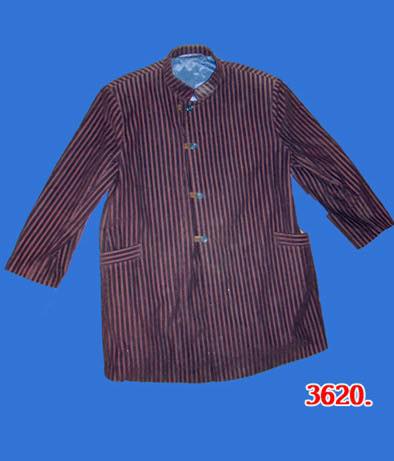
Today, many types of this clothing are kept in ethnographic museums and the National Museum-Reserve «Aziret Sultan». One of them is a shekpen, dating back to the 19th-20th centuries. This shekpen is a light outerwear for men. It is spun from camel wool and woven by hand. Inside, it is lined with black fabric. The shekpen belongs to Alibek Nazarbek, who was born in the 1880s. The shekpen was donated to the museum-reserve fund by his granddaughter Gulsin apa.
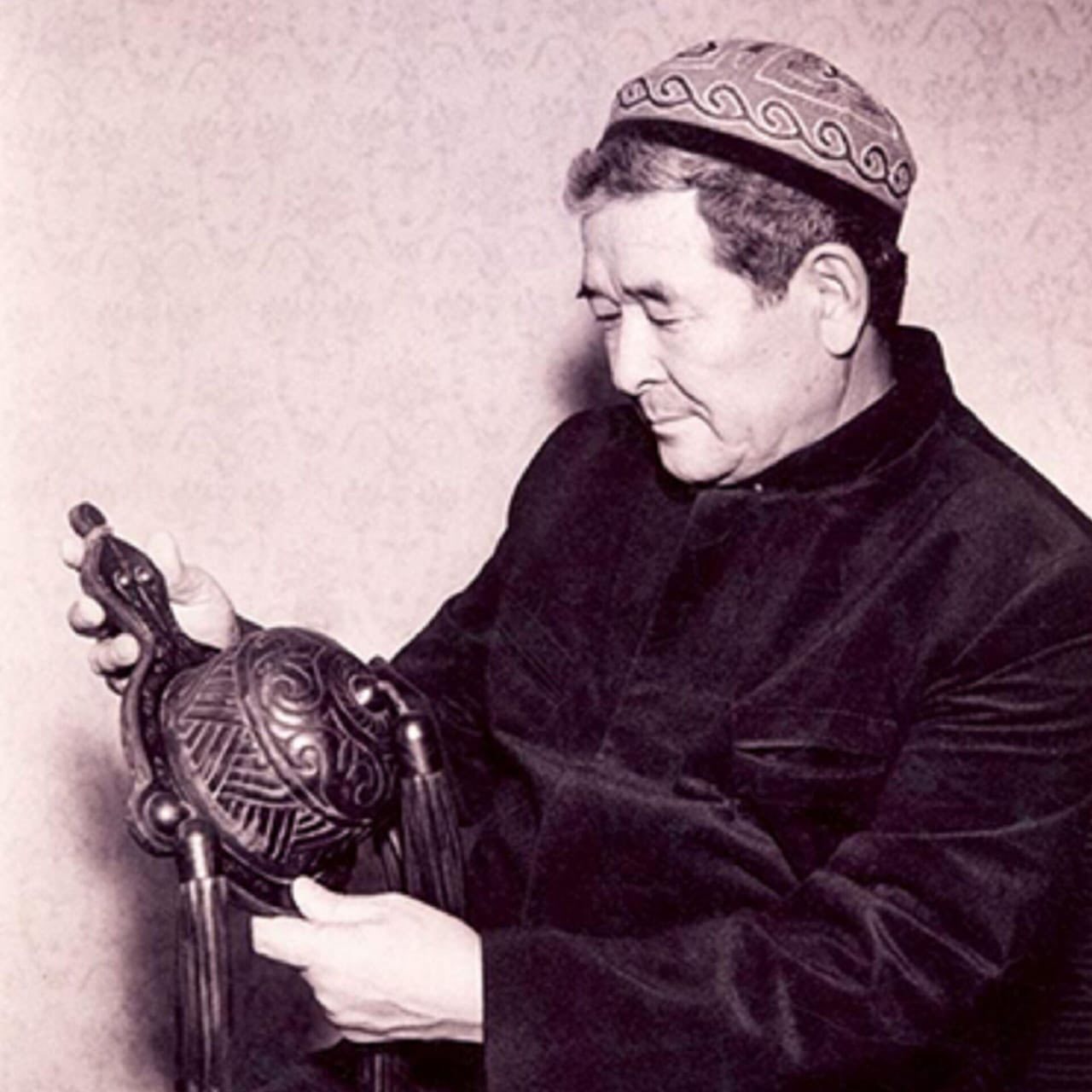
The National Museum-Reserve «Aziret Sultan» keeps 15 shapans, 5 of which are in perfect condition. Among them is the shapan of our state and public figure Uzbekali Zhanibekov, who made a significant contribution to the revival and development of the national culture, traditions and customs of the Kazakh people, who contributed to the creation of the museum-reserve on the basis of the mausoleum of Kozha Akhmet Yasaui. Today, national costumes demonstrate the cultural wealth of our people at holidays and weddings.
Tynyshtykbaeva A. tour guide.